A Designer’s Review: Bunny Chow Lineart for Real Projects
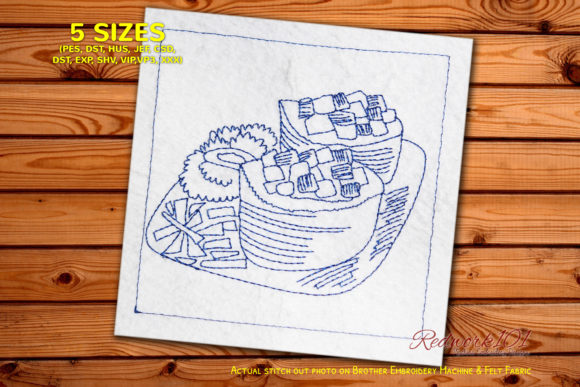
When I first opened the Bunny Chow Lineart embroidery file, I knew immediately this wasn’t just another generic food design. It has a distinct personality—playful, slightly quirky, and surprisingly elegant in its simplicity. As a lineart design, it presents a clean, graphic outline of that iconic South African dish. The mood is modern, illustrative, and perfectly suited for a maker who wants a design that feels both artistic and approachable.
Where This Design Naturally Belongs
This isn't a dense, fill-heavy embroidery design. Its strength is its clarity. That makes it a fantastic candidate for projects where you want the imagery to be crisp and unfussy. I picture it immediately on a minimalist tote bag—a canvas or linen one for a foodie friend. It would elevate a simple apron for a home cook, or add a charming, personal touch to a tea towel in a kitchen. Because it’s line-based, it also translates beautifully to smaller items: think a delicate corner on a baby’s burp cloth or a subtle accent on the cuff of a sweatshirt. The “food” category here feels authentic; it’s a design for people who celebrate cooking and culture.
Thinking Through a Real Project: The Custom Tote Bag
Let’s walk through a real scenario. A client requests a custom embroidered tote as a wedding gift for a couple who loves street food. Bunny Chow Lineart comes to mind. My first practical consideration is scale. On a larger bag, the design can be centered and prominent. The optional box stitch mentioned—if you choose to incorporate it—acts as a neat frame, but the note about its color being often separate is crucial. This means you have control. You could match it to your thread palette or skip it entirely for a pure lineart look, which is a great flexibility for a custom project.
I’d test this on scrap fabric first, naturally. A lineart design’s success hinges on stitch clarity. Using a smooth, stable fabric for the tote (like a tight-weave cotton) will ensure those running stitches or satin stitch outlines (depending on how the file is built) are sharp. On textured fabrics, like some heavy canvas, fine details can get lost. A good stabilizer is non-negotiable here to keep everything crisp.
Visual Appeal and Customer Perception
How would a customer react to this on a finished product? Its cleanliness reads as professional. For an Etsy seller or small shop owner, that translates to perceived value. It looks intentional and well-made, not cluttered. For a personalized gift, it feels thoughtful and specific—not a random clipart. That “giftability” factor is high. In a boutique setting, it would fit a brand that values clean, modern illustration. As a digital embroidery file for other designers, it’s a versatile asset precisely because it’s so adaptable to different product types.
Careful Application: Where to Proceed with Caution
While Bunny Chow Lineart is adaptable, some applications require extra thought. On very small hoop sizes, the intricacies of the container and contents need to be checked—tiny, tight corners might not translate if the design is scaled down too aggressively. On stretchy fabric like a t-shirt, the design could distort if not stabilized properly; it’s better suited to more stable apparel like a sweatshirt chest or cap back (though curved surfaces like caps need careful hooping).
Dark fabric is a classic consideration. The design, being lineart, likely uses a single color or a few. You must ensure your thread color has strong contrast against a dark background. Testing in a black-and-white mockup digitally beforehand helps visualize this. Also, on items destined for frequent washing—like baby clothes or kitchen linens—the stitch density and integrity matter. A well-digitized lineart should hold up, but always verify the file’s stitch density for durability on utilitarian items.
The Professional Designer’s Notes
Before committing Bunny Chow Lineart to a client project or your own craft business merchandise, do these things: stitch it out on your intended scrap fabric. Review the actual stitch count and type—is it primarily running stitch or does it have satin stitch borders? Check the thread colors needed against your fabric. Confirm the effective hoop size required for your desired final size. Inspect the small details, like any internal lines representing the “chow,” to ensure they’ll be clear at your scaling.
Compare how it looks on both a light and dark background mockup. This isn’t just about aesthetics; it’s about customer trust. Presenting a clean, professional finished product starts with choosing a design that performs reliably. Also, critically, confirm the licensing terms of this embroidery file. Can you use it for commercial embroidery projects, like producing patches or apparel for your small shop? Or is it for personal use only? Never assume.
The Final Impression: A Versatile, Characterful Asset
Bunny Chow Lineart strikes me as a genuinely useful design file. It avoids being overly cute or comically detailed, which gives it a wider appeal. It’s the kind of design that could work for a holiday gift for a food-loving friend, a branded item for a catering business, or a simple, beautiful patch for a collector. Its value lies in its graphic purity. In a market saturated with overly complex designs, this one offers breathing space and lets the craftsmanship of your embroidery—and the quality of your finished product—shine through.
For the embroidery designer, the small business owner, the hobbyist making a personalized gift, this file provides a solid foundation. It asks you to bring your choice of thread, your fabric, and your product vision to it. It doesn’t overwhelm the project. That, in my practical experience, is often the mark of a design that will look great stitched out, resonate with customers, and become a reliable part of your creative or commercial toolkit.