Craft Fair Spotlight: The Green Quilting Design
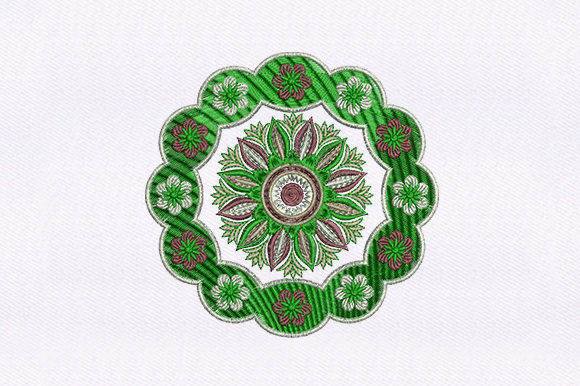
As a professional embroidery designer preparing for a weekend craft fair, every machine embroidery design I consider gets a rigorous review. It’s not just about aesthetics; it’s about practical production, booth appeal, and ultimately, what will catch a customer’s eye and compel them to buy. Today, I’m evaluating the Green Quilting Design, a embroidery file described as “gorgeous” and perfect for detail lovers, promising a sophisticated and fresh feel. Let’s break down its real-world potential for craft fair products.
First Impression: Sophisticated & Decorative
The title Green Quilting Design immediately evokes a sense of calm, organic elegance. It feels decorative, premium, and softly modern—not overly rustic or farmhouse, but possessing a timeless, handcrafted quality. This mood is crucial. At a bustling fair, a design needs to project its personality instantly. This one suggests detail and artistry, appealing to customers looking for something special and well-made, rather than cute or funny. This sophistication can elevate the perceived value of any handmade product it’s applied to.
Product Application: Where It Will Stand Out
My booth table is a mix of function and beauty: tote bags, aprons, tea towels, patches, caps, pouches, and pillow covers. The Green Quilting Design needs to find its best home.
- Tote Bag Design: On a market bag or tote, this design could serve as a beautiful focal point. Its intricate, “detail-loving” nature would transform a simple bag into a statement accessory. It feels giftable.
- Apron Embroidery: Placed on a pocket or along the hem of an apron, it adds a touch of refined charm to a functional kitchen item, increasing its appeal as a small shop product.
- Tea Towel Embroidery: This is a prime candidate. Kitchen towels with elegant embroidery sell exceptionally well. The fresh, green theme fits perfectly, and the design’s sophistication turns a utilitarian item into a decorative kitchen piece.
- Embroidered Patch: As a standalone patch, its detail could be a selling point, but careful testing on scrap fabric is needed to ensure smaller elements remain clear when reduced.
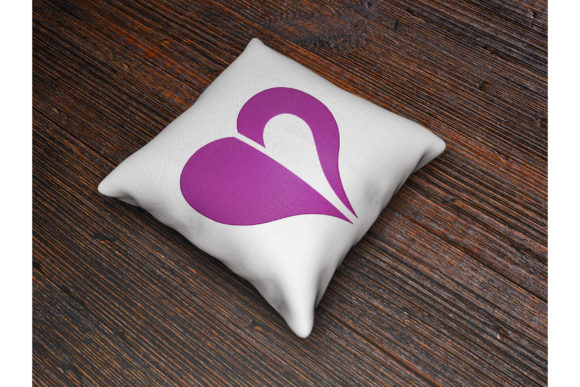
- Pillow Covers: Given the product category hint of Bedroom, this is a natural fit. An embroidered pillow cover with this design becomes a premium, boutique bedroom accent, aligning perfectly with its described mood.
- Caps & Pouches: On curved surfaces like caps or small fabric pouches, the design might need simplification if it’s too dense. It’s better suited to flat, stable surfaces where its detail can shine.
Practical Production & Selling Points
Turning a digital file into profitable finished products requires a pragmatic eye.
Visual Clarity & Batch Production
The description notes it’s “perfect for all detail lovers” and comes with “multiple” something—likely file formats or sizes. For an Etsy seller or fair vendor, this is promising. A design with clear, readable details at a glance is vital. Customers decide quickly. If the Green Quilting Design has intricate lines or small repeating patterns, it must retain clarity when scaled. For batch production, repeatability is key. A design that’s consistent and not overly time-consuming per unit is ideal. I’d need to test its stitch count and runtime on my machine.
Photography & Online Appeal
For my Etsy listings and printable mockups, how this design photographs is critical. Sophisticated, detailed designs often look excellent in photos, suggesting high handmade quality. I’d photograph it on neutral and contrasting fabrics to showcase the thread colors. Good design assets should translate well to digital storefronts.
Fabric & Technical Considerations
Here are my essential embroidery designer notes before committing to production:
- Always test the design on scrap fabric first, mimicking the final product’s texture (e.g., canvas for totes, linen for towels).
- Check thread contrast carefully. “Green” suggests a color theme, but it must pop against both light and dark fabric backgrounds.
- Review spacing and stitch density. Dense areas can cause puckering on lighter fabrics like tea towels; the right stabilizer is non-negotiable.
- Confirm hoop size requirements from the file. Does it fit standard sizes for my common products? The description’s “multiple” hint might include sizes, which is invaluable.
- Create at least one real mockup—a finished pillow cover or towel—to assess the true physical appeal and customer handling experience.
- Compare fabric colors. Does the green palette work on cream, white, slate, or natural linen? This affects inventory planning.
- Most importantly, confirm commercial licensing before selling any finished products. As a professional, I never assume.
Craft Fair Booth Impact & Customer Engagement
At the fair itself, the Green Quilting Design can strengthen my entire display.
Products featuring this design add visual cohesion to my booth. A cohesive, elegant theme across towels, totes, and pillows creates a stronger brand consistency than a chaotic mix of styles. It attracts customers seeking a specific, premium vibe. When a customer touches an embroidered pillow cover and feels the textured stitches of a detailed design, the handmade quality becomes tangible. That engagement is what closes sales. This design, by feeling sophisticated and fresh, can make a simple tea towel feel like a worthy gift and a pillow cover feel like a boutique find, directly boosting product value.
Careful-Use Notes for Optimal Results
To ensure every product looks its best, I must be mindful of potential pitfalls. The mention of “detail lovers” warns me to inspect for tiny details or small lettering that might vanish on smaller items like patches or on textured towels. Dense stitch areas require careful fabric choice—they might not work well on thin or stretchy materials. On curved cap surfaces, intricate designs can distort. Always stitch a sample. If reducing the design for a small accent on a pouch, I must verify it remains legible and attractive. Losing clarity at smaller sizes is a common issue with complex files.
Final Judgment for the Craft Fair Table
The Green Quilting Design holds significant promise for my upcoming market. Its sophisticated, decorative mood aligns with products that sell well as gifts and home accents. Its best applications appear to be on flat, stable surfaces like pillow covers, tea towels, and tote bags—items where its detail can be fully appreciated and where it enhances perceived value. For production, success hinges on the practical steps: testing stitch density, ensuring clarity across sizes, and verifying licensing for commercial embroidery. Provided the technical details of the digital embroidery file support efficient batch production, this design could become a standout element of my booth, drawing in customers with its fresh, elegant charm and translating beautifully from a digital file to a tangible, sellable handmade product.