Duck Design: A Friendly Machine Embroidery File Review
When you're browsing for embroidery designs to use in your handmade products, it's easy to get lost in the sheer volume of options. As someone who runs a small embroidery business, I always look at new files with a practical eye: will this design stitch well, will it add value to my finished items, and will my customers love it? I recently considered the Duck Design from Creative Fabrica for a custom order, and here’s my honest evaluation from a designer’s perspective.
A First Glance at this Friendly Bird Design
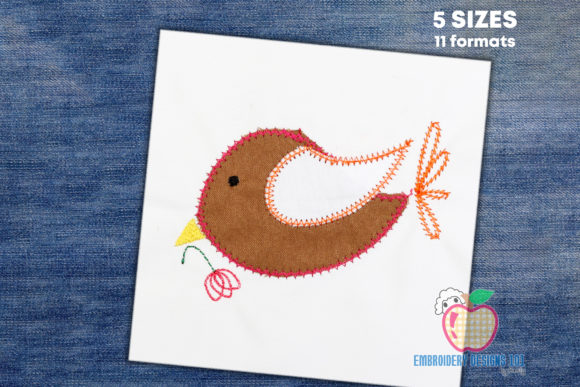
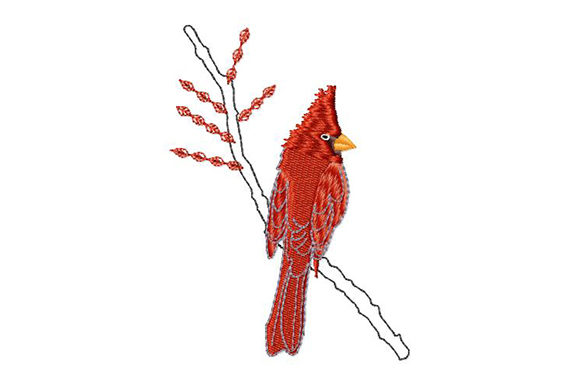
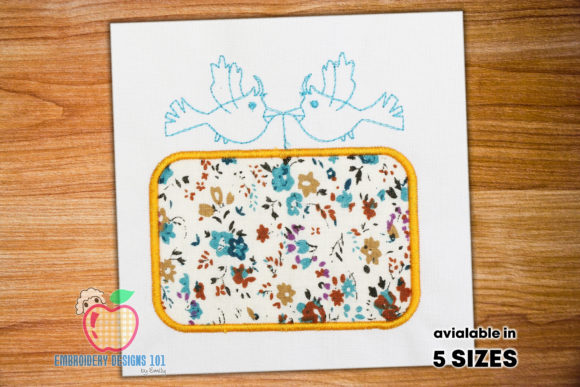
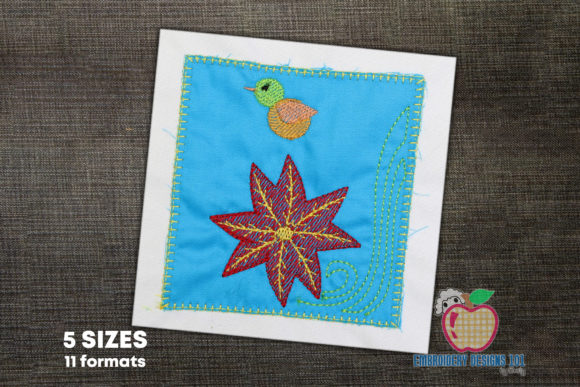
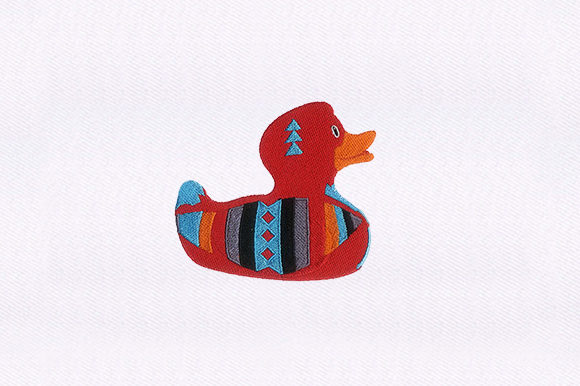
The immediate impression of this Duck Design is one of cheerful simplicity. It has a decorative, almost vintage appeal that feels warm and welcoming. The detail level appears balanced—not overly dense, but with enough character to make the duck feel lively. This stitching personality naturally fits projects meant for a cozy, handmade presentation. It’s not an overly technical or realistic rendering; instead, it leans into a charming, illustrative style that works perfectly for gift items and nursery decor.
Visually, it suggests uses on baby blankets, pillow covers, or kitchen towels where a touch of whimsy is desired. For Etsy sellers and boutique owners, this kind of design can instantly elevate a basic product into a thematic, gift-ready item. The mood is lighthearted, which makes it a strong candidate for seasonal handmade gifts, especially for spring or for children’s products.
Where This Embroidery File Shines in Real Projects
In practical application, I imagine this Duck Design performing well across a range of typical small-business projects. For custom apparel like sweatshirts or aprons, it would serve as a delightful focal point without being overwhelming. Its size and style seem suitable for a tote bag design, adding personality to a functional item. As an embroidered patch, it could be a standout detail on a cap or backpack, though that depends on the final stitch count and density.
For commercial embroidery on items like pillow covers or nursery decor, the design’s friendly aesthetic aids in brand consistency for shops specializing in handmade, heartwarming goods. It’s a design that photographs well for product listings and printable mockups, helping with customer engagement online. For craft fair products and boutique merchandise, such a recognizable and pleasant motif can quickly catch a buyer’s eye and convey a sense of quality.
Considering Practical Embroidery Performance
Moving beyond the visual, the real test of any machine embroidery design is how it stitches. Based on the file format list provided—including PES, JEF, DST, and others—compatibility with most home and commercial machines is broad. This is a crucial point for digital embroidery file sellers and apparel decorators who use various machines.
When stitching, key considerations would be the small details, like the duck’s features or any potential tiny lettering. On textured or stretchy fabric, proper stabilizer choice will be essential to keep the design crisp. For dark fabric backgrounds, thread color contrast needs to be planned carefully to maintain the design’s cheerful visibility. The design does not appear overly dense, which is good for fabrics that need frequent washing, like kitchen towels or baby items, as high stitch density can make fabrics stiff and less durable.
A potential challenge is applying it to curved cap surfaces; the design’s shape and size would need to be checked against the product details for hoop size compatibility. For layered details, one should inspect the file closely to understand the stitch order. As always, I advise testing on scrap fabric first, especially when planning for a real customer order.
Steps Before You Commit to a Project
Before using this Duck Design for a sold item, a few embroidery notes are non-negotiable. First, always review the stitch density by previewing the file in your software. Second, confirm the exact hoop size required by checking the Creative Fabrica product page; this information is vital for placing it on smaller items like patches or caps. Third, compare light and dark fabric mockups mentally or digitally to plan your thread palette.
Finally, and most importantly, always inspect the small details after stitching a test piece. Look for clean satin stitch borders, smooth fill stitch areas, and whether any running stitch elements remain intact. This ensures your finished product meets a professional standard.
How This Design Affects Product Value and Trust
From a business standpoint, a well-executed embroidery design like this one can significantly affect product value. A clean, charming duck embroidered on a tote bag or baby blanket increases its giftability and perceived handmade presentation. For Etsy listings and craft fair products, such quality stitching builds buyer trust—it shows attention to detail and care in creation.
For digital product sellers offering printable mockups or design assets, a reliable, well-stitching file is the foundation of a credible portfolio. Using a design that stitches well consistently helps maintain visual appeal across your product line. For creative entrepreneurs, this translates into happier customers, repeat business, and stronger brand identity.
A Final Note on Licensing and Commercial Use
It is essential to confirm file details and licensing on the Creative Fabrica product page before selling finished items. The product description lists the design type as machine embroidery design and the category as Birds. While the provided embroidery file formats are comprehensive, specifics like stitch count or explicit license terms for commercial embroidery are not detailed here. Therefore, I strongly recommend you review the full product page to understand any usage guidelines, especially if you plan to use it for commercial embroidery products or mass production.
In summary, the Duck Design from Creative Fabrica presents a visually appealing, friendly option for a variety of handmade and small-business projects. Its broad file format support and charming aesthetic make it a practical consideration for decorators and sellers. However, its true worth will be determined by its performance on your machine and fabric, and by your due diligence in testing and verifying product details. For a real project, taking the time to stitch a sample is the best way to decide if this cheerful bird will be a valuable asset to your creative work.