The Fresh Orange Carrot Applique: A Designer's Practical Review
As someone who stitches for clients, sells finished products, and reviews embroidery files for real project use, my first question about any design is simple: will this look good on a finished product and will someone want to buy it? Opening the Fresh Orange Carrot Applique design file, I get a confident yes. This isn’t a complex botanical study; it’s a cheerful, straightforward applique design with a personality that feels both friendly and fresh.
A Design That Smiles: First Impressions & Mood
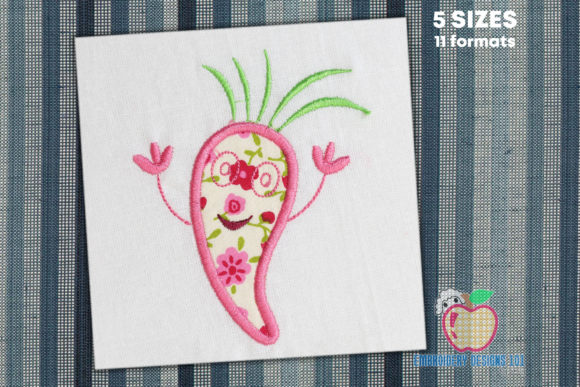
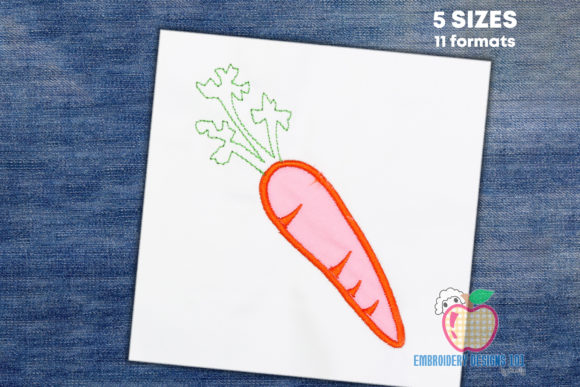
The name is apt—the carrot is truly fresh orange. The shape is plump and inviting, with a simple, slightly rounded silhouette that avoids overly sharp corners. The leafy top has a playful, slightly ruffled look rather than a rigid, geometric one. This creates an overall mood of wholesome cheerfulness. It’s not a formal vegetable; it’s the kind of carrot you’d draw for a child or see on a welcoming farmstand sign. That visual personality tells me this design belongs to projects meant to evoke warmth, health, homemade goodness, or a touch of garden charm.
Immediately, I think of kitchen textiles—aprons and tea towels for a cottage-core boutique. I envision it on a child’s tote bag for a farmer’s market trip. It feels natural for personalized baby items, like a blanket or a little sweatshirt, where the friendly shape is appealing. For a small shop selling handmade goods, this design could become a signature element on a line of garden-themed merchandise.
Real-Life Stitching: Where This Carrot Finds Its Home
Let’s walk through a real scenario. I’m preparing a custom order for a client who wants a set of embroidered kitchen towels as a housewarming gift. They want something unique, not a generic floral. The Fresh Orange Carrot Applique fits perfectly. The applique construction means I can use a crisp, bright orange fabric for the carrot body, giving a lovely texture contrast to the embroidered green tops. The separated color changes in the file make the stitching process clear and efficient.
On a medium-weight cotton towel, with proper stabilizer, this design will stitch out with excellent clarity. The satin stitch outlines and fill stitches for the leafy greens should provide a clean definition. On a sweatshirt or a tote bag, the size and density look appropriate to be a focal point without being overwhelming. For a baby item, like a bib, the friendly shape and non-detailed edges are safe and visually gentle. As an embroidered patch, it would be instantly recognizable and easy to apply.
For commercial embroidery projects—say, for a small café wanting branded aprons—this design offers good recognition and a handmade, artisanal feel that aligns with a food-related brand. In digital product previews and printable mockups for my own shop, the clear, cheerful shape makes for an attractive listing that communicates the finished product’s appeal quickly.
Careful Placement: When to Think Before You Hoop
While this carrot is adaptable, a practical review must note where to use it carefully. The leafy top, with its likely denser stitching, means I’d avoid very small hoop sizes on highly textured fabrics, like a loose-knit sweater, where definition could get lost. On very thin or stretchy fabrics, careful stabilizer choice is paramount to prevent puckering around the applique edges.
Stitching on dark fabric backgrounds requires thoughtful thread color selection for the greens to ensure they pop, not disappear. On curved surfaces like caps, the rounded shape of the carrot should adapt well, but I’d always test first. There are no tiny lettering or intricate corners here, which is a relief—it’s a robust design. However, for products destined for frequent washing, like everyday apparel, ensuring the applique fabric and all stitches are securely anchored is key for longevity.
Beyond the Stitches: Impact on Value & Appeal
How does this embroidery file affect the final product’s value? For a crafter or small business owner, it translates into a high perceived handmade presentation. A well-stitched, cheerful carrot on a tea towel looks professional and purposefully designed, not slapped on. That builds customer trust and boosts giftability—it feels like a thoughtful, custom item.
For brand consistency, if your shop leans towards garden, farm, healthy living, or playful kitchen themes, this design can become a cohesive element across different products. Its clear stitching clarity directly supports a professional finish, which in turn increases buyer engagement. People are drawn to well-executed, happy designs.
Notes From the Hoop: Designer Checks Before Stitching
Before I run this for any client project or list a new carrot-themed product in my Etsy shop, my routine applies. I’ll test the Fresh Orange Carrot Applique on scrap fabric of the same type I intend to use—a simple kitchen cotton or a sweatshirt fleece. I’ll check thread color contrast, especially for the greens on various backgrounds. I’ll review the stitch density in the preview to gauge if my stabilizer choice is correct.
I’ll confirm the hoop size needed with the actual file. I’ll inspect the small details of the leafy top in the test stitch-out. It’s also wise to test how it looks in simple black and white mockups to understand its form. Crucially, I’ll verify the licensing terms of this digital embroidery file for my intended use—whether for personal gifts or commercial craft business products—before selling any finished items. Since it comes in multiple embroidery file formats, I’ll ensure I’m using the correct one for my specific machine.
Ultimately, the Fresh Orange Carrot Applique stands out as a reliable, mood-lifting design asset. It’s not overly complex, which makes it a trustworthy choice for a wide range of embroidery projects. It brings a slice of garden cheer to handmade products, and from a practical designer’s viewpoint, that’s a solid foundation for a successful stitched piece.