Embroidery Designer Review: The Paper Plane Applique
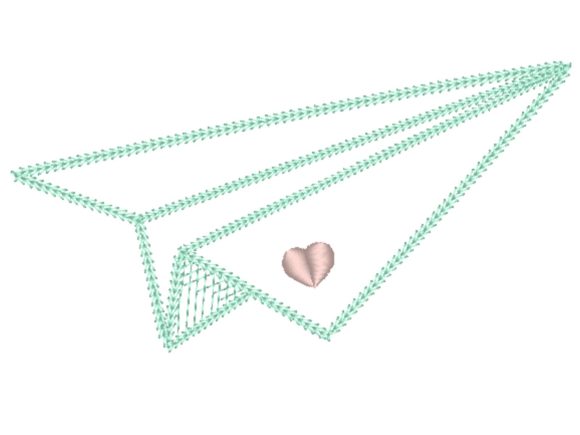
As an embroidery designer preparing for a weekend craft fair, the first question I ask about any new design is: will this look good on a physical product and will it sell? When I evaluate the Paper Plane Applique from the ‘Around The World’ category, my immediate impression is modern, soft, and minimal. This isn’t a loud, festive design; it’s a quiet, decorative one. That gives it a specific place in a booth lineup—it appeals to customers looking for a touch of subtle, thoughtful artistry rather than bold statement pieces.
Where This Design Stands Out on the Sales Table
In a display filled with embroidered tote bags, aprons, tea towels, and pillow covers, the Paper Plane Applique has a particular strength. Its clean, simple shape is incredibly easy to understand at a glance. A customer walking past will instantly recognize the motif, which is crucial for quick engagement at a busy market. It feels premium and handmade because of its implied craftsmanship—the idea of a delicate paper plane stitched permanently onto fabric.
For product application, I see it shining on tea towel embroidery and apron embroidery as a small, charming accent near a corner or hem. On a tote bag design, it could work beautifully as a repeating pattern or a single, larger focal point on the front pocket. For embroidered patches, its clarity is key, but we must be cautious about size. This design’s potential on caps or curved surfaces depends entirely on the final stitch file’s adaptability.
Practical Production: From Digital File to Finished Product
This listing specifies it’s a digital machine embroidery design, not a physical patch. That means our first job is to test it thoroughly before committing to batch production for a craft fair product. We cannot assume it will perform perfectly on all materials.
- Always test on scrap fabric first. Use the same fabric and stabilizer you plan for the final product—whether it’s a textured towel, a thick canvas tote, or a smooth cotton for a pillow cover.
- Check thread contrast meticulously. A minimal design like this relies on sharp contrast. Test on both light and dark fabric to ensure the paper plane shape remains distinct.
- Inspect stitch density and small details. If the design includes tiny interior details or very dense stitch areas, it might struggle on textured fabrics or look overly heavy on lightweight materials like a fabric pouch.
- Confirm the hoop size requirement. The ideal hoop size determines which products are practical. A small hoop design is perfect for tea towels and caps; a larger one allows for bigger applications on market bags or pillow covers. This information is vital for planning efficient batch production.
Maximizing Sales Appeal and Booth Impact
For an Etsy seller or small shop product, the Paper Plane Applique photographs well. Its clean lines make for crisp, attractive listing photos and printable mockups. In the booth, however, its real-world texture is what sells. You must create at least one real mockup to display. A simple tea towel with this design embroidered in a complementary thread color can demonstrate the handmade quality far better than a digital image.
Think about brand consistency. If your booth leans toward rustic or farmhouse styles, this modern minimal design might need pairing with similar items to create a cohesive section. If your brand is about clean, contemporary gifts, this design fits perfectly. Its value comes from appearing intentional and well-crafted.
- For customer attention: Place it on products where simplicity is appreciated—a minimalist linen apron, a sleek canvas tote. It won’t shout, but it will attract a discerning eye.
- For buyer engagement: The theme (“Paper Plane”) is universally nostalgic and positive. It can spark conversation, making it a great handmade gift item.
- For booth display strength: Use variety. Show the same design on a small tea towel, a larger pillow cover, and as a patch on a denim jacket. This demonstrates its versatility and helps customers visualize it on different items.
Critical Notes for Commercial Embroidery Use
Before producing any finished product for sale, there are non-artistic details that are absolutely essential. This is a digital embroidery file. You must:
- Review spacing and design integrity at smaller sizes. If you shrink it for a cap or a pouch, will it lose clarity? Test this.
- Compare fabric colors. The design’s appeal changes dramatically with thread and fabric combinations. Create a small range of color samples to see which sells best.
- Confirm commercial licensing. The listing states it is a design for machine embroidery. It is imperative to verify that your intended use—selling physical products at a craft fair—is covered under the license provided. Never assume.
Ultimately, the Paper Plane Applique is a versatile, aesthetically pleasing machine embroidery design with strong potential for craft fair success. Its strength lies in its quiet elegance and easy recognition. Its challenge lies in the practical execution: ensuring stitch quality across different fabrics and confirming all legal and technical prerequisites for commercial embroidery. With careful testing and smart product pairing, it can become a reliable, value-adding element in your lineup of handmade products.